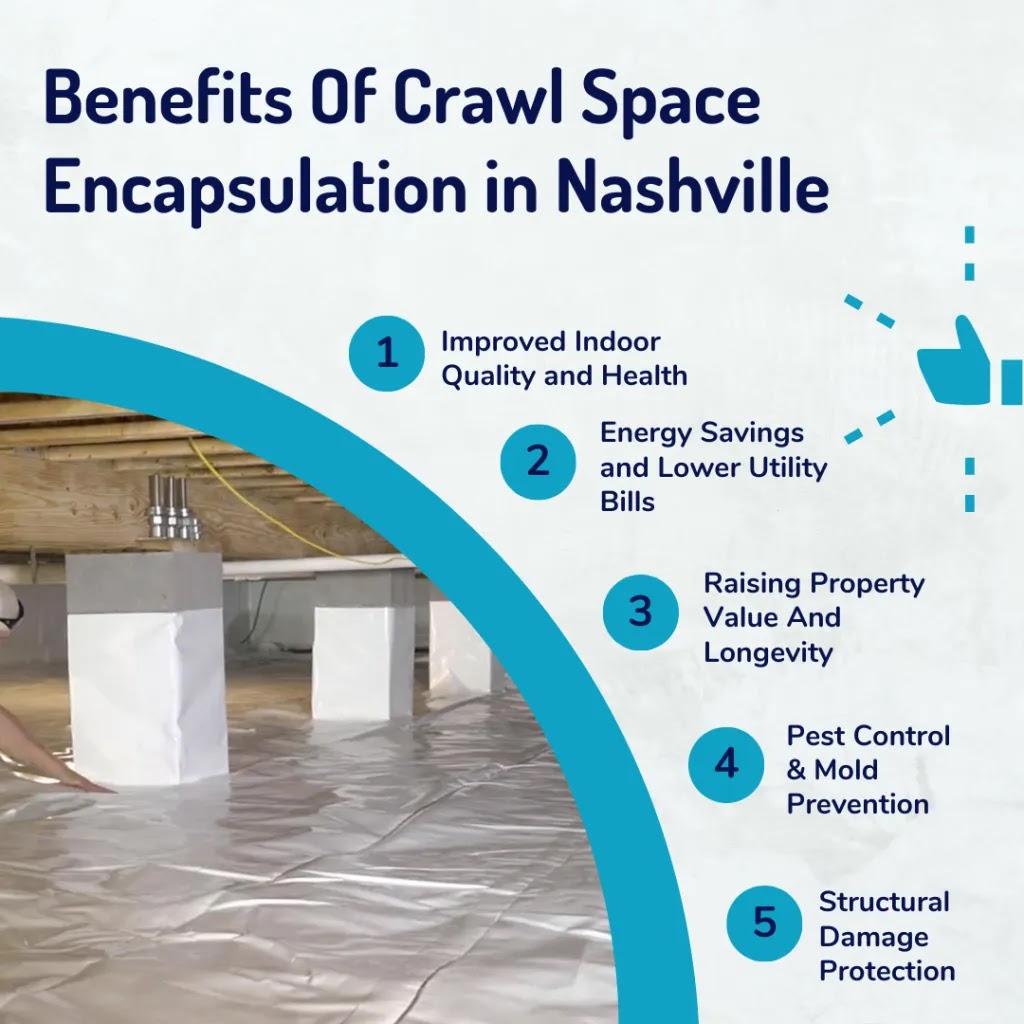
Looking for reliable, plain-language information about thermal envelope science in Lakewood and the Denver metro area? You are in the right place. Our independent matching service has helped hundreds of Colorado homeowners connect with pre-vetted, licensed spray foam professionals — and everything below is grounded in the building science our network works to every day. This is written for homeowners around Lakewood, CO who are looking into crawl space encapsulation and want the honest version rather than a sales page.
See your house as a breathing energy system
Think of your home not as a static box of wood, brick, and drywall, but as a dynamic, breathing energy system. Heat moves in two ways that matter for insulation. Conduction slows heat transfer through solid materials — the job traditional insulation handles. Convection is the movement of air itself, and it is where most Colorado homes fail. Standard materials like fiberglass and cellulose act as air filters, not air barriers. The chimney effect then creates a continuous vacuum: freezing outside air gets pulled into your lower levels while heated air is expelled through attic bypasses. You can have a thick layer of "insulation" and still lose heat through every seam.
The illusion of insulation
This is the crux: high thermal resistance with zero wind resistance is an illusion. Conduction fails the moment air moves, and air moves almost everywhere in a typical home. That is why two homes with identical R-values can have wildly different energy bills. The true thermal envelope is not measured by R-value alone — it is measured by absolute air impermeability.
Open-cell vs. closed-cell mechanics
Both foam types stop convection by expanding into microscopic cracks that air would otherwise flow through, but they are engineered differently. Open-cell foam (about 0.5 lb per cubic foot) expands roughly 100 times, is vapor-permeable, and excels at acoustic absorption — ideal for interior walls and soundproofing above-grade cavities. Closed-cell foam (about 2.0 lb per cubic foot) expands about 30 times into a rigid, dense, Class 1 vapor barrier with maximum R-value per inch — the choice for exterior thermal barriers, basements, rim joists, and pole barns.
From symptoms to a sealed envelope
The warning signs of envelope failure are unmistakable: icicles and ice dams on the gutters, cold main-level floors, high and fluctuating energy bills, drafts near electrical outlets, and attic bypasses. The fix is a layered, engineered strategy: an unvented attic with roof-deck foam at R-21 to R-49 to neutralize ice-dam physics and keep ductwork inside the thermal boundary, complete closed-cell rim joist and basement sealing, and exterior wall cavity injection for a monolithic air barrier. Rigid closed-cell foam also cures into a structural element that increases sheer wall strength and holds its day-one R-value for decades — no sagging, settling, or moisture degradation. Call (720) 615-8203 to get matched with a pro who understands building science, not just foam.
Ready to Get Started?
Wondering whether your home has a real air seal or just insulation? We can connect you with up to three pre-vetted, licensed local professionals — free and with no obligation.
Get Matched with Local Pros or call (720) 615-8203